
Elvira Loibl’s inaugural lecture: ‘Unequal power relations continue to play a role in the legacy of intercountry adoption’
How can we best address the suffering caused by abuses and irregularities in the intercountry adoption system? Apologies are not enough, according to Elvira Loibl, Endowed Professor Recognition, Dialogue and Redress after Intercountry Adoption. “Unequal power dynamics still determine the way in which this legacy is dealt with today.”
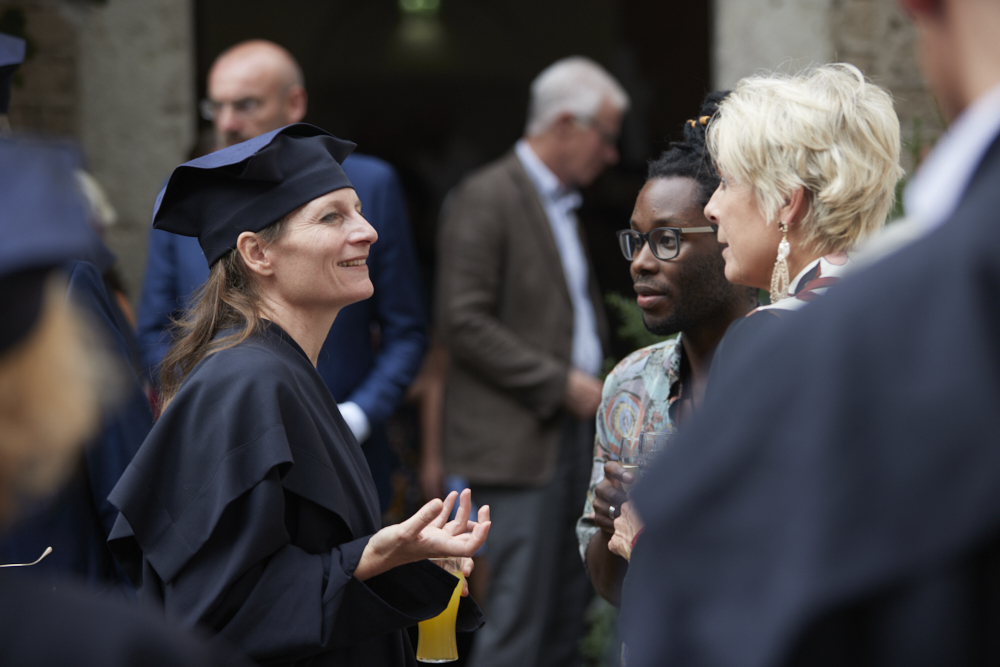
Elvira Loibl has been conducting research into intercountry adoption for over ten years. She completed her PhD with a criminological study into the factors within the German and Dutch adoption systems that enable and facilitate illegal intercountry adoptions. Last year, she was appointed professor by special appointment to a chair established by INEA, the centre of expertise on intercountry adoption. Through her chair, she aims to investigate how these power relations can be transformed to enable meaningful recognition and redress. On Thursday 19 November, she delivered her inaugural lecture at the University of Humanistic Studies.
Structural inequality
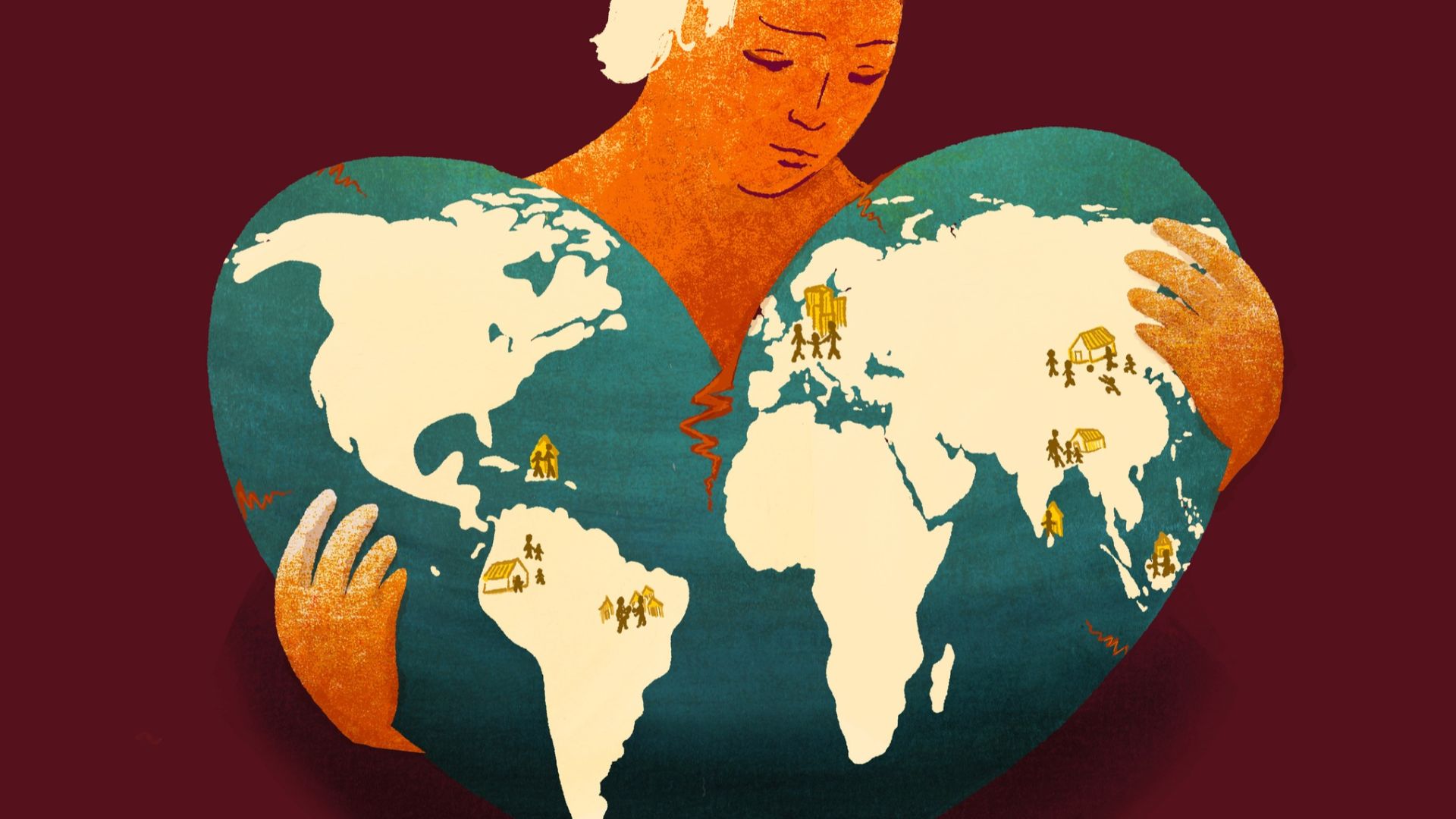
In her speech, she outlines how things came to this. What began in the 1950s and 1960s as a humanitarian act developed into a practice that caused great harm to children and families. The structural inequality between host countries and countries of origin facilitated all manner of abuse and irregularities.
The fundamental nature of this issue also dawned on Elvira Loibl during her doctoral research. Initially, she thought that legal measures could be taken to tackle the abuses in intercountry adoption, but the more adoptees she spoke to and the deeper she delved into the subject, the more she realised that the way the adoption system was organised actually encouraged abuses and irregularities.
In April 2024, the House of Representatives decided to permanently end intercountry adoption in the Netherlands. However, this did not put an end to the suffering of those affected. Over the past six decades, more than 40,000 people have been adopted into the Netherlands from abroad.
Loibl: “They are all living with the consequences of the measures and decisions taken on their behalf decades ago, which are also having an impact on subsequent generations. These consequences vary, and adoptees experience them in their own individual ways.”
Responsibility
How can we do justice to the suffering caused by abuses and irregularities, in a way that takes account of the diverse life experiences and needs of adoptees? This question is currently playing a major role in the heated debate about the legacy of intercountry adoption.
In her research, Elvira focuses in particular on the relationship between adoptees and state institutions. Adoptees have now set out a range of specific demands for recognition and redress, such as assistance in tracing their origins and reuniting with their biological families, the restoration of their identity, or reimbursement for adoption-related therapy. Although some of these measures have been introduced, many adoptees still feel that their voices are not really being heard.
Loibl: “They do not feel that the state is prepared to take full responsibility for its role in the past, despite the apologies that have been offered. Or, as one adoptee told me: ‘We are still seen as adopted children, with no voice and no trace.’ Some adoptees have therefore brought legal proceedings against the Dutch state; but even in the courtroom, they are confronted with unequal power dynamics.”
Transforming
A key premise of the new chair is that adopted people do not form a homogeneous group. Loibl: “The debate is highly emotional and polarised. It is important to realise that there are many different voices in the debate, and that these are not straightforward and often overlap. Even within a single individual. An adoptee may be grateful for the opportunities that growing up in the Netherlands has afforded them, whilst at the same time struggling with their identity.”
Through her chair, Loibl aims to investigate how unequal power dynamics continue to influence the way in which the legacy of intercountry adoption is addressed. Three questions are central to this:
- Whose voices are heard in the dialogue with institutions?
- how is responsibility for past abuses and injustices understood and defined
- to what extent can adoptees actually exercise their rights in practice, such as the right to access information about their origins and identity?
Ultimately, Loibl wants to investigate how these power dynamics can be transformed: “I hope we can transform them in ways that give adoptees greater influence in how the past is understood and addressed. I would like to contribute to this through this chair.”
Download the inaugural lecture
The inaugural lecture will be available for download on this webpage in mid-December.
Prof.dr. Elvira Loibl is a professor by special appointment at the University of Humanistic Studies and a lecturer in Criminology and Criminal Law at Maastricht University. In 2019, she was awarded a PhD for her thesis entitled: The Transnational Illegal Adoption Market: A Criminological Study of the German and Dutch Intercountry Adoption Systems. The special chair at the UvH was established by INEA expertisecentrum interlandelijke adoptie.