
‘Humanistic studies add depth to my PhD research’
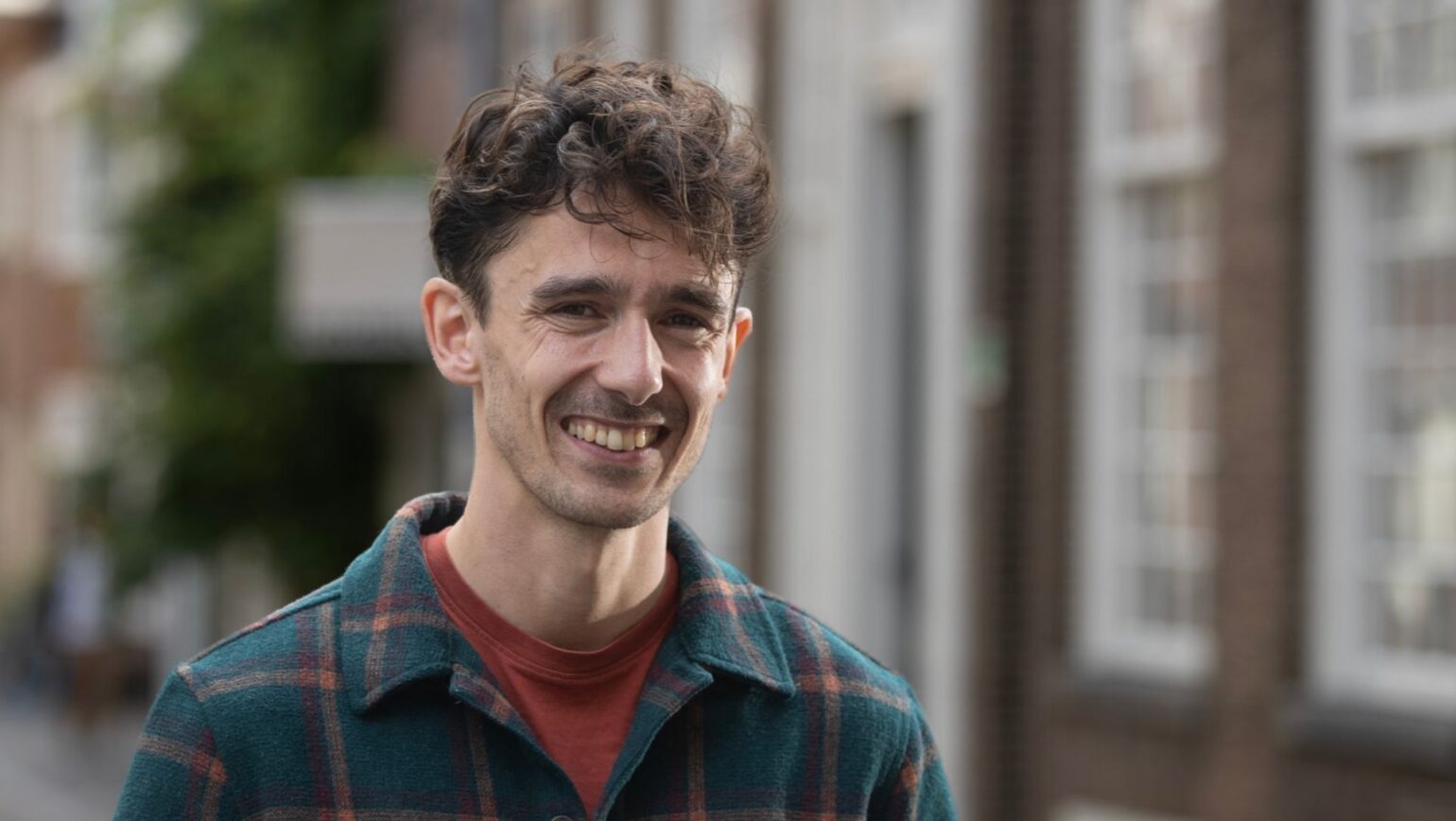
“After completing my Master’s degree in Educational Sciences at VU University Amsterdam, I was given the opportunity to undertake PhD research into the educational significance of gratitude with the support of a PromoDoc grant. I became interested in this topic whilst writing my Master’s thesis on the educational significance of wonder. Initially, I had intended to write a single article on gratitude during my research placement, but this led to a grant application, which was successful.”
Part-time PhD studies
“The PromoDoc programme is designed for teachers who wish to pursue a PhD alongside their teaching. As you carry out the research on a part-time basis, you are given five years to complete it instead of four. I spend three days a week on research and two days teaching in primary school.
I really enjoy the combination of conducting research and teaching. My research gives me the time to reflect on what we actually aim to achieve through education, and this also provides a critical lens through which to examine my own teaching practice. On the other hand, my experiences in the classroom are not only a source of inspiration for my research, but also help me to keep my feet firmly on the ground.
Conducting research is intellectually challenging and requires you to focus your attention on abstract questions for long periods of time. Teaching presents a different kind of challenge, as you need to be able to constantly shift your attention between the needs of individual pupils, the subject matter, and the group dynamics in the classroom. This variety is what keeps my work interesting.”
Philosophical enrichment
“I’m glad I ended up at the University of Humanistic Studies for my PhD research. Thanks to its humanistic approach, there is a strong focus on normative issues, whereas research into education at other universities is primarily empirical in nature.”
The University of Humanistic Studies is a small university where everyone knows one another. The atmosphere is informal and, in my experience, there is little pressure to publish. As a PhD student, you have a great deal of freedom and independence. I enjoy that, but it does have to suit you. Conducting research is precision work: you spend a lot of time refining and rewriting texts. That requires patience, and it can be frustrating at times. It’s nice to be able to share those experiences with other PhD students.
As a PhD student, I am part of the Foundations of Education research group. We hold monthly meetings, at which one person presents a paper on their own research and discusses it in detail with the group. This keeps you up to date with your colleagues’ research and encourages you to reflect on other topics. In addition, you get the chance every year to present your own work and receive feedback from different perspectives.”
Gratitude in education
“In education, I believe it is essential to deepen and enrich the way we view the world. A sound knowledge base is, of course, necessary, particularly in primary education. But the way in which we engage with the world and relate to it requires more than just factual knowledge. Experiences of wonder and gratitude can play an important role in this.
Gratitude begins with the realisation that the good things in our lives cannot be taken for granted, nor are they solely down to our own efforts. That realisation can motivate us to cherish the good things in our lives and to help others who are deprived of them.
After completing my PhD, I want to develop a teaching method to ensure that character development and citizenship are given a permanent place in primary education. By developing a common language around norms, values and virtues, such a method can provide teachers with tools to engage in dialogue with pupils and to reflect together on their behaviour, personal development and the group culture.”