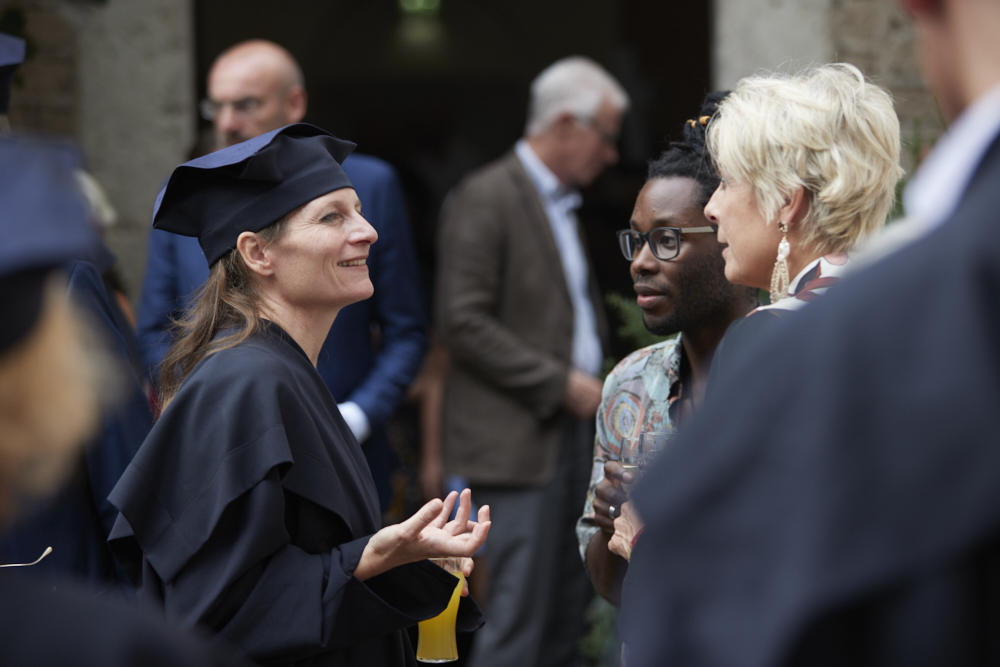


‘Doing PhD research requires discipline, but the great thing is that you can work from your own curiosity’
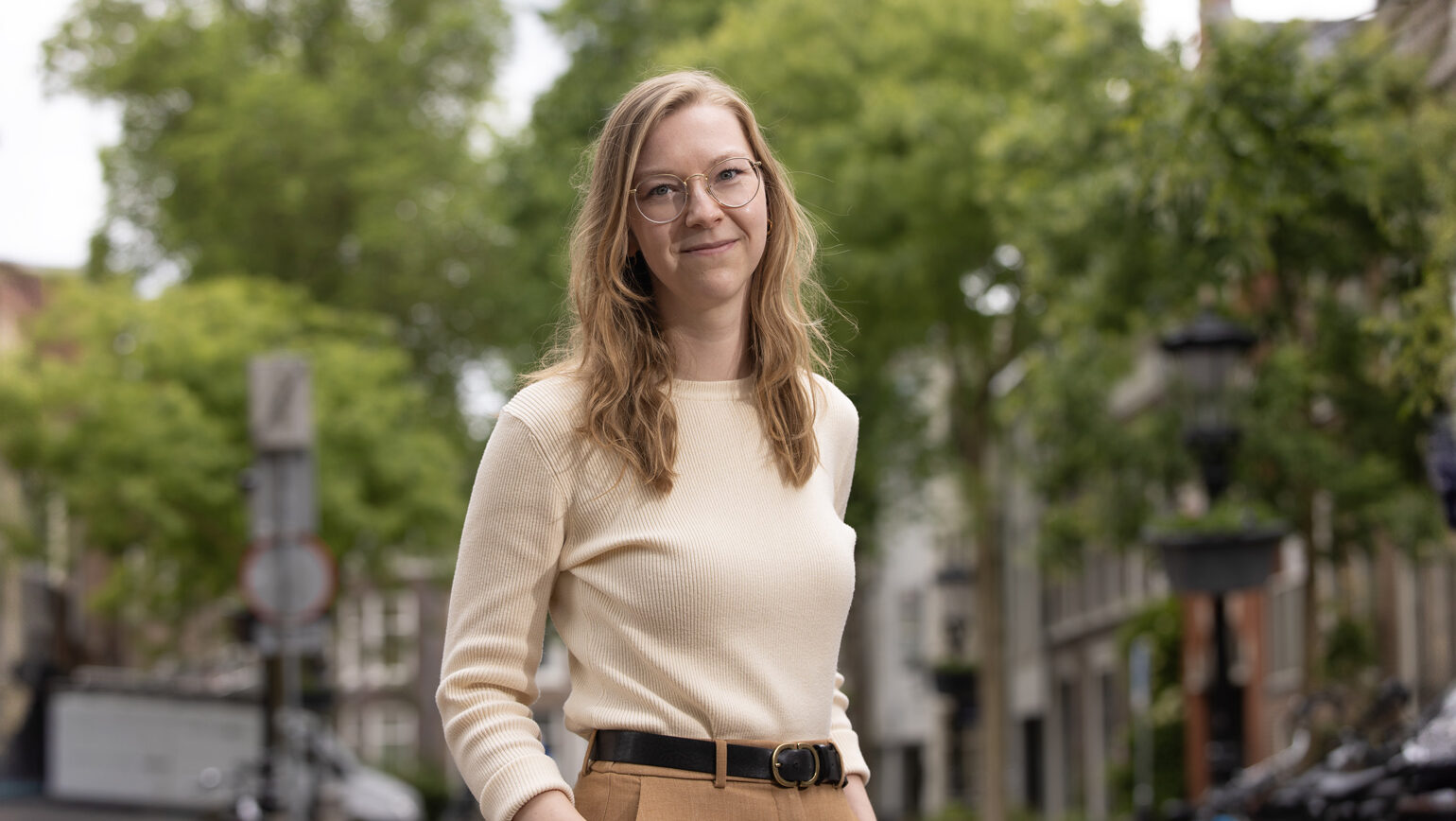
“After completing Humanistic Studies, I worked as a spiritual caregiver at UMC Utrecht. After that, I did research at the Expertise Center Palliative Care Utrecht, and I noticed that I found the research very interesting. That’s why I didn’t have to think long when I got the opportunity to do PhD research within the international project RAPHAEL: Integrating a palliative care approach for people with heart failure, a collaboration between the UMCU and the University of Humanistic Studies.
Nine European countries are participating in the project, and my research focuses on ethical issues in relation to cultural differences and inclusivity, both in the daily practice of palliative care and within research collaboration. I’m halfway through and I still like it very much.
As an employed PhD candidate, I am part of the department of Care Ethics, not only as a researcher but also as a lecturer and supervisor of bachelor’s and pre-master’s theses. This gives me the opportunity to develop as a teacher and to obtain my university teaching qualification (UTQ). Moreover, the involvement in education ensures more embedding in the university as an organisation. I didn’t expect to enjoy teaching so much. The close-knit community of students and teachers within the department helps with this. You really learn together.
I have a lot of contact with other PhD candidates. We have two offices with flex desks and often visit each other for lunch. This summer we will organize our own writing retreat in a house in a quiet place in the woods.
In the first year, all PhD candidates, both PhD candidates with an appointment and external PhD candidates, come together in the meetings of the Graduate School. The goal of the first year is to write the research proposal, and the Graduate School will guide you through that. The group of PhD students also gives you support, because in the end you work a lot on your own and that can sometimes be lonely. From the second year onwards, you will take courses at the Graduate School that are in line with your own research trajectory.
At the University of Humanistic Studies, you are really seen as a person. You often hear stories about the academic culture, which can sometimes be very hierarchical, but that is not the case within my team. I have a lot of contact with my supervisors, there is a lot of attention for personal development, and the contacts are informal.
After my PhD, I would like to continue as a researcher and lecturer. Another option is to work as a spiritual caregiver again, but in combination with research.
If you are considering a PhD programme, I think it is good to look at how much affinity you have with the subject. An emotional connection to the subject is important, because during the four or five years that you work on the research, you will also have your moments of doubt. Doing PhD research requires a lot of discipline, but the great thing is that you can start working from your own curiosity and delve into a subject that you are passionate about. A personal connection with what you are doing is then indispensable.”