

Femmianne Bredewold: ‘Let’s ensure that healthcare does not once again rely on charity’
Local authorities and care organisations are increasingly turning their attention to the involvement of family members, neighbours and friends in the long-term care of older people and those with intellectual disabilities or a history of mental health issues. Let us continue to examine this critically, argues Femmianne Bredewold in her inaugural lecture ‘Living Well Together? Moral tensions in long-term care’. And above all, let us learn from the past and listen to the voices of those who depend on this care and their loved ones.
Caring for one another, looking out for each other, caring communities – you can’t open a single policy paper, vision document or long-term plan in the long-term care sector without finding it mentioned. Caring for one another is widely praised. Under pressure from the ongoing care crisis, local authorities and care organisations are turning their attention specifically to family members, neighbours and friends of people with intellectual disabilities, those with a history of mental health issues, or older people receiving long-term care.
How has this idea come to occupy such a prominent place in policy? Is it primarily a desire of policymakers, or do care recipients, their loved ones and professionals also see it as valuable? And what if their expectations clash – who then determines how care is organised?
Historical context of good care
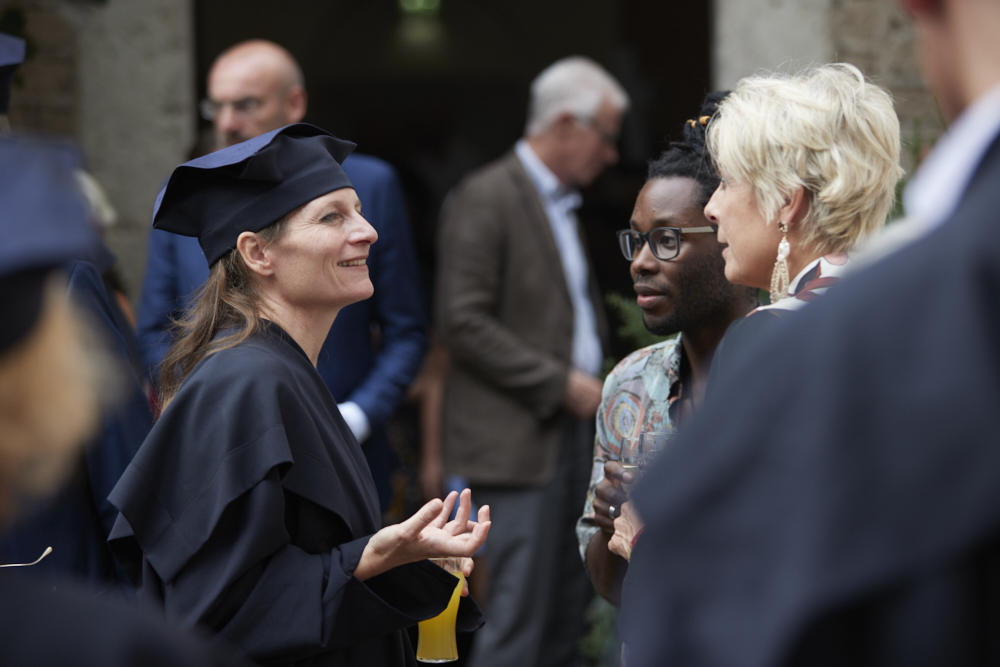
On Friday 26 September 2025, Prof. Dr Femmianne Bredewold, endowed professor of Living Together with Difference, delivered her inaugural lecture at the University of Humanistic Studies. In her address, she places views on ‘good’ care in a historical context, highlights shifts in power and responsibility, and demonstrates what this means for the practice of care and living together today. She makes an urgent plea for us to give more explicit consideration to different – and sometimes conflicting – ideas about ‘good’ care. We must be careful not to uncritically go along with the discourse in which care is simply expected of those close to us, says Femmianne.
Looking back over time, it becomes clear that every new idea about ‘good’ care responds to the previous one, often involving radical changes of direction that overlook valuable insights and leave important voices – particularly those of people who depend on care and their loved ones – out of the picture. Unless we learn from this, we risk a scenario in which care once again relies largely on charity, and we expect this to be managed within our communities (families, neighbourhoods, districts). In this scenario, people with disabilities are expected to participate in a highly individualised society.
Bredewold’s plea is therefore clear: let us not automatically place the burden of care and community life on the shoulders of people who are dependent on care and their loved ones, but let us always remain critical of what a good community life actually means for them too.
About the endowed chair ‘Living Together with Difference’
The ‘Living Together with Difference’ Chair (University of Humanistic Studies, established in May 2024, funded by the Ben Sajet Centre) investigates how we can live together in a caring and inclusive way at a time of increasing pressure on the care sector. People who are long-term care dependants are more likely to live at home and are therefore more reliant on family, neighbours and their local community, whilst staff shortages and financial constraints place greater demands on those very same relationships. The chair focuses on everyday practices of living together and initiatives for shared care. How can we ensure that citizens who are dependent on long-term care, and their loved ones, can participate fully in society? Read more about the chair at the Ben Sajet Centre (Dutch).
About Prof. Dr Femmianne Bredewold
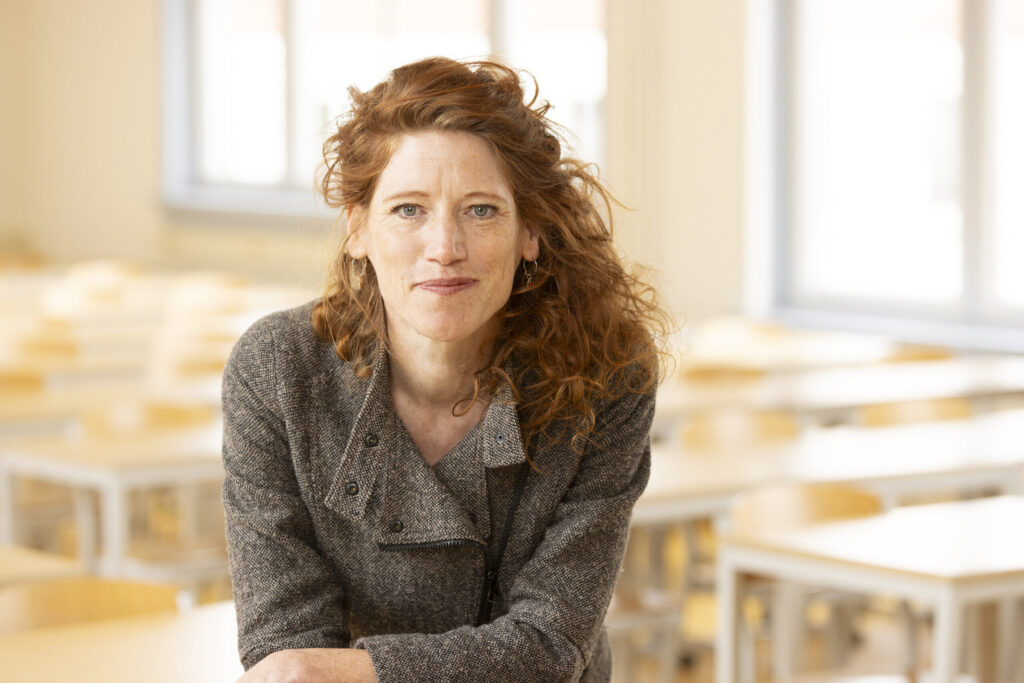
Prof. Dr Femmianne Bredewold is Professor by Special Appointment of Living Together with Difference at the University of Humanistic Studies since 1 May 2024. Since April 2025, she has been Director of the Ben Sajet Centre, the academic knowledge hub for long-term care in Amsterdam. She obtained her PhD from the University of Amsterdam in 2014 and has been affiliated with the University of Humanistic Studies since 2015.
Bredewold investigates how people with and without support needs live together meaningfully, particularly at a time when care and solidarity are under pressure. She publishes on this subject in national and international academic journals as well as in books aimed at a wider audience, including In Praise of Superficiality (2014) and A World of Difference (2024). She is also a much sought-after speaker and actively participates in public debate. Her (Dutch) article in De Correspondent on the importance of relational working in the care sector was widely read and much discussed.