
The importance of assessing the desire to have children among people in vulnerable circumstances
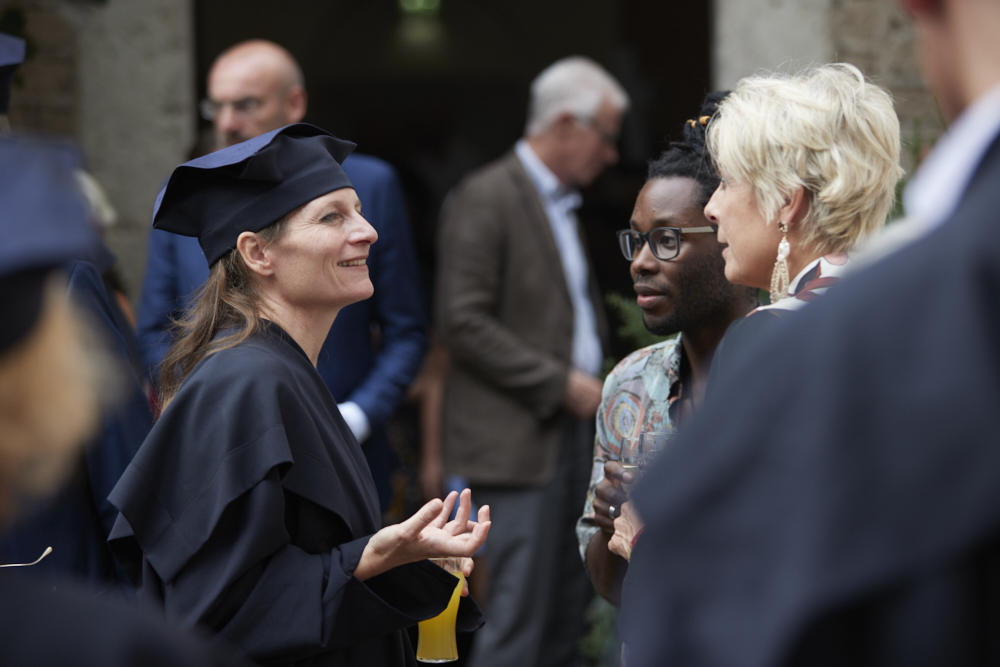
For people in vulnerable circumstances, it is important to consider the questions and needs surrounding their desire to have children. If you wish to provide them with appropriate support as a healthcare professional, you should try to increase the sense of autonomy they feel in making a choice, argues Professor Hilmar Bijma in her inaugural lecture, which she delivered on 13 March at the University of Humanistic Studies.

Gynaecologist Hilmar Bijma is a professor by special appointment in Fertility Aspirations, a chair established by GGD GHOR Netherlands as part of the ‘Nu Niet Zwanger’ programme. This programme supports clients and trains professionals in conducting open discussions about fertility aspirations, sexuality and contraception. The title of Bijma’s inaugural lecture is ‘The Desire to Have Children: a Turning Point for Individuals and Society’.
Turning Point
Globally, almost half of all pregnancies are unplanned. In the Netherlands, this applies to around one in three pregnancies. Unplanned pregnancies are particularly common in vulnerable circumstances. According to Bijma, this highlights how important it is that people are given the space to reflect carefully on their desire to have children.
In her inaugural lecture, Bijma explores the challenges and needs of people in vulnerable circumstances regarding this potential desire to have children, the support required to address these needs, and the frameworks for evaluating this support. She describes the decision of whether or not to become pregnant as a turning point in a person’s life. “The desire to have children is a significant moment in life in which everything comes together: personal choices, physical experiences, relationships and social circumstances.”
Space for experience
Bijma refers to the space people experience in which they can consider pregnancy as a possibility and make choices as ‘experiential space’. In vulnerable circumstances, this space for experience can come under pressure. Stress, poverty, mental health issues, relationship tensions or previous traumatic experiences can influence the way people experience their bodies, view their future and form relationships. As difficult circumstances mount up, the space to consciously reflect on a possible desire to have children can also shrink.
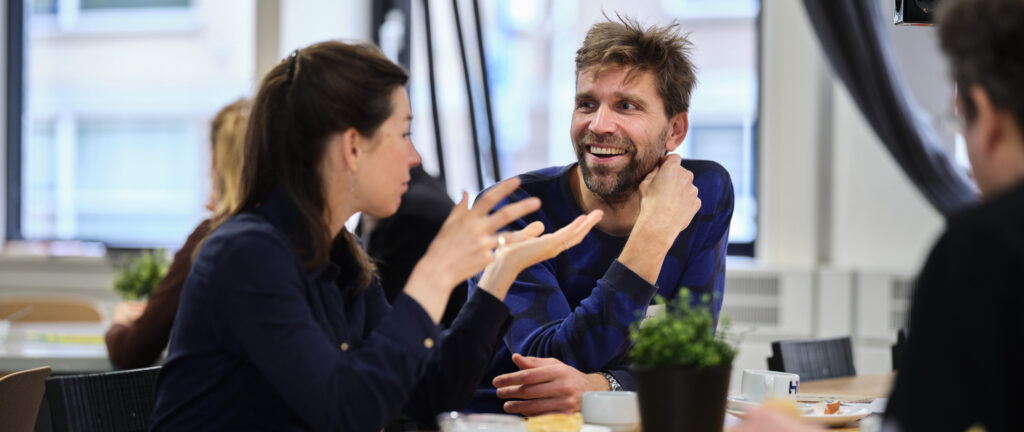
That is why Bijma advocates for fertility exploration: conversations in which healthcare professionals, together with women and men, create a space to reflect on questions relating to the desire to have children, sexuality and contraception. In relational and trauma-sensitive care, this space for reflection can be expanded, enabling people to make more informed choices.
Bijma: “Anyone who invests in good healthcare for those hoping to start a family is not only investing in pregnancy, but in health throughout the life course and in the health of future generations. In that sense, the desire to have children can truly become a turning point, not only for individuals themselves, but also for our society.”
Hilmar Bijma obtained her PhD with a thesis on reproductive decision-making in cases of foetal abnormalities and has since been conducting research into healthcare during pregnancy in vulnerable circumstances. She also works as a gynaecologist at Erasmus MC, where she uses her expertise to further improve healthcare.